skip to main content
A mother, child, and doctor visting in a hospital

Help Us Cure LGMD 2T

Limb Girdle Muscular Dystrophy

Our mission is dedicated to raising awareness for Limb Girdle Muscular Dystrophy 2T/R19 and GMPPB-related Congenital Muscular Dystrophies and providing critical funding for research into effective treatments. Through personal donations, grants, and community fundraising efforts, we aim to accelerate scientific progress, support those living with this condition, and inspire hope for a brighter future.

We Advocate For:

Genetic Testing Access

Affordable, accessible genetic testing for early diagnosis and improved care of LGMD 2T/R19 and GMPPB-related congenital Muscular Dystrophy patients.

Advancing Research

Expanding and promoting the LGMD 2T/R19 and GMPPB-related congenital Muscular Dystrophy Patient Registry to accelerate research, clinical trials, and treatment development.

Awareness & Education

Increasing LGMD 2T/R19 and GMPPB-related congenital Muscular Dystrophy awareness through campaigns, events, and partnerships.

Gene Therapy

Funding gene therapy research targeting GMPPB to halt or reverse LGMD 2T progression.

What is LGMD 2T?

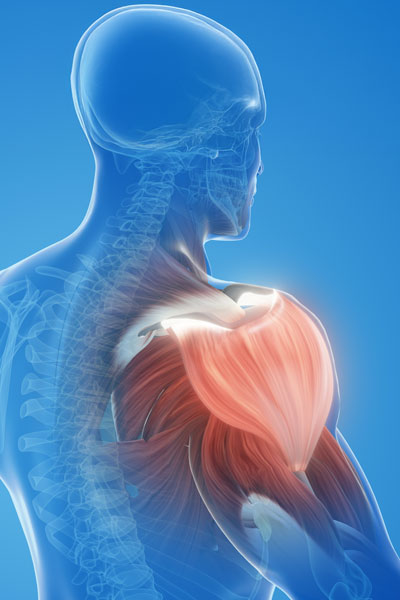
Limb Girdle Muscular Dystrophy 2T/R19 is a rare genetic disorder that causes chronic muscle wasting. It primarily affects the proximal muscles of the shoulders and hips, making activities such as lifting, climbing stairs, and standing difficult. The rate of muscular degeneration is generally slow but can vary significantly from one individual to another. As the condition progresses, muscle weakness may extend to the legs (e.g., quadriceps and hamstrings) and arms (e.g., biceps & triceps).

Autosomal recessive Limb Girdle Muscular Dystrophy 2T/R19 (LGMD 2T/R19) is caused by mutations in the GMPPB gene. The gene is essential for proper glycosylation, a biochemical process that maintains muscle integrity. In individuals with LGMD 2T/R19, insufficient glycosylation leads to degenerative and progressive muscle wasting.

GMPPB-related Congenital Muscular Dystrophy (CMD), is a form of muscular dystrophy distinct from LGMD 2T/R19, characterized by muscle weakness and hypotonia present at birth or early infancy. (NIH)


About Cure LGMD 2T

Our story

The Garner family founded Cure LGMD 2T Foundation after our son, Luke, was diagnosed with Limb Girdle Muscular Dystrophy 2T/R19. We fully understand the complexities of this disease and the critical need to raise awareness. Following Luke’s diagnosis, our family made it our priority to spread the message of hope to others affected by this condition.

We believe that, by working together, we can not only raise awareness but also make significant strides towards finding a cure for LGMD 2T/R19. Together, we are stronger in our fight against this disease.

Cure LGMD 2T is a registered 501(c)(3) nonprofit organization. All donations are tax-deductible.

Executive Board Members

James Garner
James Garner

Email James

Founder, CEO & Treasurer

Luke Garner
Luke Garner

Email Luke

Co-Founder & Advocate

Becky Redman
Becky Redman

Email Becky

Administrator & Fundraising Coordinator

Advisory Board Members

Jennifer Kwon, MD
Jennifer Kwon, MD

UW Health Pediatric Neurologist Professor, Department of Neurology
University of Wisconsin-Madison

(Medical Advisor)

Corinna Burger PhD
Corinna Burger, Ph.D.

Associate Professor,
Department of Neurology
University of Wisconsin-Madison

(Scientific Advisor)

Jonathan Mauser, Ph.D.

Associate professor of Chemistry
Winona State University

(Educational Advisor)

Isaac Redman
Isaac Redman

Email Isaac

(Social Media Coordinator & Advocate)


LGMD 2T Registry

What is the LGMD 2T/R19 and GMPPB-related CMD patient registry?

The International Limb Girdle Muscular Dystrophy 2T/R19 (LGMD 2T/R19) and GMPPB-related Congenital Muscular Dystrophy (CMD) Patient Registry is a vital database dedicated to individuals living with the rare genetic condition, LGMD 2T/R19. This registry aims to unite the community, advance research, and foster progress toward better treatments and care.
By joining the registry, you are contributing to efforts that:

  • Raise awareness: Amplify knowledge and understanding of LGMD 2T/R19 and GMPPB-related CMD.
  • Advance research: Provide researchers with valuable data to study the progression of this rare condition.
  • Support Clinical Studies: Help researchers identify eligible participants for clinical studies and trials.
  • Connect the Community: Connect patients and providers to build a stronger, more supportive community.

We are dedicated to supporting the LGMD 2T/R19 and GMPPB-related Congenital Myopathy community and encourage all individuals with this condition to join. We ask that you share the registry with anyone you know who has the LGMD 2T. This registry is crucial to driving awareness and advancing research efforts for this rare disease.

Your privacy is top priority. No identifiable information will ever be shared with researchers without prior consent. If you have any questions about the registry, please contact us.

Patient Registry Form

A woman physician and girl walking hand in hand and smiling down a hospital hallway


Contact US

Fill out my online form.

Phone & Email

Mailing Address

  • 120 Lazy Lake Dr.
    Fall River, WI 53932

Resources


Events

TREAT-NMD International Conference

10-12 Feb

TREAT-NMD International Conference

February 10-12, 2026

Lisbon, Portugal

Rare Disease Day

28 Feb

Rare Disease Day

February 28, 2026

Global Awareness Day

2026 MDA Clinical and Scientific Conference

8-11 March

MDA Clinical & Scientific Conference

March 8-11, 2026

Hilton Orlando
Orlando, Florida

European LGMD2I/R9 Patient and Family Conference

22-23 May

European LGMD2I/R9 Patient & Family Conference

May 22-23, 2026

Musholm Sport & Conference Center
Korsør, Denmark

Dystroglycanopathies 2026 Iowa Wellstone Center Patient and Family Conference

12-14 June

Iowa Wellstone Dystroglycanopathy Conference

June 12-14, 2026

Hyatt Regency
300 E 9th St, Coralville, IA

Registration info to follow in the spring

2026 LGMD Scientific Summit

31 July

2026 LGMD Scientific Summit

July 31, 2026

Virtual Event

Details Pending

Annual LGMD Awareness Day

30 Sept

Annual LGMD Awareness Day

September 30, 2026

Global Awareness Day

LGMD International Conference

LGMD International Conference

Dates Pending


Donate

Donate to accelerate LGMD 2T/R19 and Congenital Muscular Dystrophy research and bring hope to those affected. Your gift supports vital initiatives like genetic testing and gene therapy, working towards a cure.

Cure LGMD 2T is a registered 501(c)(3) nonprofit. Donations are tax-deductible as allowed by law.

Is my donation secure? We take the security of your donation very seriously. Your information is protected using SSL encryption, the same technology used by online banks and retailers. We partner with Square, a leading payment processor, to ensure your transaction is handled securely. Your sensitive data is never stored on our systems; it's encrypted and securely transmitted directly to Square's PCI-compliant servers. Learn more at Square.com.

Two girls forming a heart shape with their arms around a girl in a wheelchair

Frequently Asked Questions

LGMD 2T, also known as LGMD R19, is a subtype of limb-girdle muscular dystrophy caused by mutations in the GMPPB gene. This gene encodes the enzyme GDP-mannose pyrophosphorylase B, which is crucial for the glycosylation of α-dystroglycan—a process essential for maintaining muscle integrity. Mutations in GMPPB lead to hypoglycosylation of α-dystroglycan, disrupting its function and resulting in muscle weakness and atrophy. Unlike other forms of LGMD, LGMD 2T specifically involves defects in glycosylation pathways, leading to progressive muscle wasting, primarily affecting the shoulder and hip areas. Symptoms and progression rates can vary significantly among individuals. Source: NIH

LGMD 2T, also known as LGMD R19, is a subtype of limb-girdle muscular dystrophy caused by mutations in the GMPPB gene. This gene is essential for glycosylation, a process critical for muscle integrity. Symptoms of LGMD 2T include progressive muscle weakness and wasting, primarily affecting the shoulders, hips, legs, and arms. This weakness can lead to difficulties with activities such as lifting objects, climbing stairs, and standing from a seated position. Over time, other muscles, including those involved in respiratory and cardiac functions, may also be affected. Additional manifestations reported in some patients include cataracts, nystagmus, cardiomyopathy, and respiratory insufficiency. Source: ORPHA

Limb-Girdle Muscular Dystrophy type 2T (LGMD2T) is diagnosed through a combination of clinical evaluations and specialized tests. Initially, a thorough medical history and physical examination are conducted to assess muscle weakness patterns, particularly in the shoulder and hip areas. Blood tests measuring serum creatine kinase (CK) levels can indicate muscle damage, as elevated CK levels are common in muscular dystrophies. A muscle biopsy may be performed to analyze tissue for dystrophic changes and assess protein expression, aiding in identifying specific LGMD subtypes. The definitive diagnosis is confirmed through genetic testing, which identifies mutations in the GMPPB gene associated with LGMD2T. Early and accurate diagnosis is crucial for effective management and appropriate genetic counseling. Source: MDA

Currently, there is no cure for Limb-Girdle Muscular Dystrophy type 2T (LGMD2T). Treatment focuses on managing symptoms and improving quality of life through a multidisciplinary approach. Physical therapy is essential to maintain muscle strength and prevent contractures, while assistive devices can aid mobility as muscle weakness progresses. Regular monitoring of respiratory function is crucial, as respiratory muscle weakness can develop over time, necessitating interventions like non-invasive ventilation. Although cardiac involvement is uncommon in LGMD2T, periodic cardiac assessments may be recommended to ensure heart health. Emerging research areas, such as gene therapy and strategies targeting glycosylation pathways, hold promise for future treatments, but these approaches are still under investigation. Source: NIH

The impact of Limb-Girdle Muscular Dystrophy type 2T (LGMD2T) on life expectancy varies based on the severity of muscle weakness and the presence of complications, particularly those affecting respiratory and cardiac functions. Regular medical care, including monitoring of heart and lung health, can help manage these complications and improve overall outcomes. While some individuals with LGMD may experience a reduction in life expectancy due to severe symptoms, many live into adulthood, especially with appropriate management of associated health issues. Source: MDA

Limb-Girdle Muscular Dystrophy type 2T (LGMD2T), also known as LGMD R19, was identified as a distinct subtype in 2013 when mutations in the GMPPB gene were linked to the condition. This discovery highlighted the role of glycosylation pathways in certain muscular dystrophies. Source: MDPI

Limb-Girdle Muscular Dystrophy type 2T (LGMD2T) is underfunded compared to more prevalent diseases primarily due to its rarity. Affecting approximately 2 in every 100,000 individuals, LGMD2T's limited patient population results in lower visibility among public health initiatives and funding agencies. This scarcity often leads to reduced awareness, fewer advocacy groups, and diminished commercial incentives for pharmaceutical companies to invest in research and development of treatments. Consequently, rare diseases like LGMD2T face significant challenges in securing adequate resources for research and therapeutic advancements. Source: Cleveland Clinic

Limb-Girdle Muscular Dystrophy Type 2T (LGMD 2T), caused by mutations in the GMPPB gene, can present symptoms at any age, from birth through adulthood. The progression of the disease is typically slow, and some individuals may experience mild intellectual disability. Due to the variability in symptom onset and progression, diagnosis may occur at different life stages. Early detection through genetic testing and clinical evaluations is crucial for managing the condition effectively. Sources: Cleveland Clinic, NIH

You can support LGMD 2T efforts by donating to organizations funding research, joining patient registries, participating in awareness campaigns, and attending events like LGMD Awareness Day or family conferences​.

We take the security of any online donations very seriously. Your information is protected using SSL encryption, the same technology used by online banks and retailers. We partner with Square, a leading payment processor, to ensure your transaction is handled securely. Your sensitive data is never stored on our systems; it's encrypted and securely transmitted directly to Square's PCI-compliant servers.

Yes! You’ll automatically receive a donation receipt via email, regardless of the amount. For donations of $250+, keep this receipt for your tax records as required by the IRS.